WM Junk Cars Home

Category

Environmental Impact

3 articles

Slow Poison: The Exact Chemicals Leaking From Your Abandoned Car and Where They End Up

Slow Poison: The Exact Chemicals Leaking From Your Abandoned Car and Where They End Up

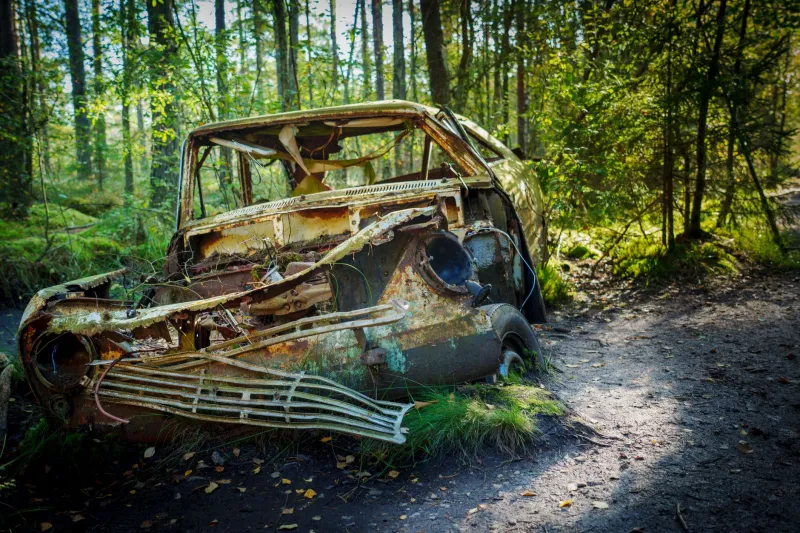
An abandoned car doesn't just sit there — it slowly breaks down, releasing a cocktail of toxic fluids into the soil and groundwater beneath it. From antifreeze that's lethal to animals to battery acid that alters soil chemistry, the environmental damage is specific, measurable, and preventable. Here's the actual science behind why leaving a junk car isn't a neutral choice.
Your Driveway Is Slowly Poisoning the Ground Beneath It — Here's What That Dead Car Is Really Doing

Your Driveway Is Slowly Poisoning the Ground Beneath It — Here's What That Dead Car Is Really Doing

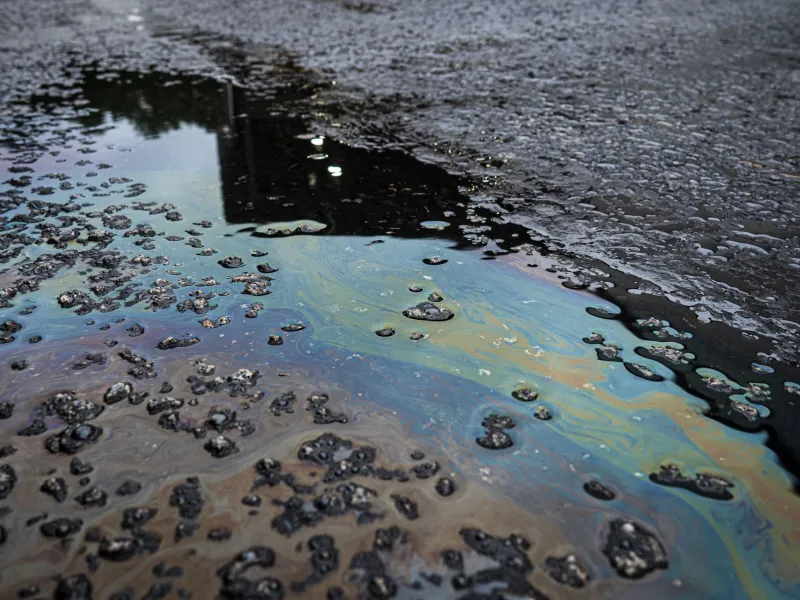
That non-running car parked in your driveway might look harmless, but underneath it, a slow-motion environmental disaster could be unfolding. From brake fluid seeping into soil to battery acid threatening local groundwater, the ecological cost of keeping a broken vehicle around is a lot bigger than most people realize. Here's what's actually happening — and why getting rid of it the right way matters.

What Really Happens to Toxic Car Fluids — And Why Proper Junk Car Disposal Actually Matters

What Really Happens to Toxic Car Fluids — And Why Proper Junk Car Disposal Actually Matters

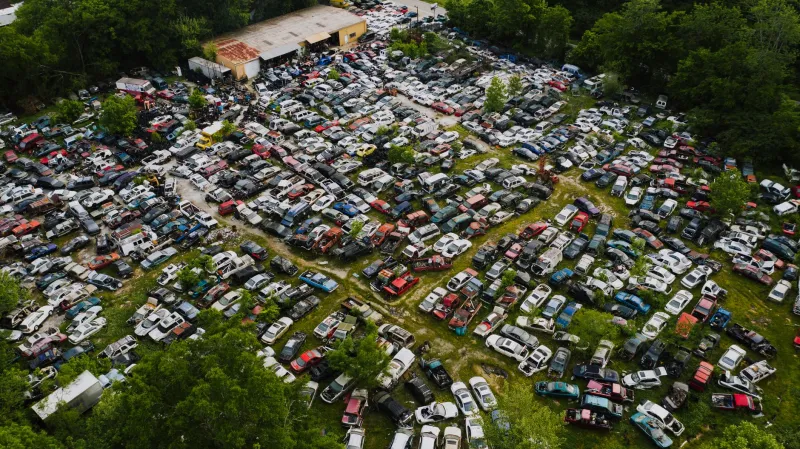
Abandoned and improperly disposed vehicles leak a cocktail of hazardous chemicals into the soil and groundwater every single day across the United States. Professional junk car recycling isn't just about convenience — it's one of the most meaningful ways everyday Americans can make an environmentally responsible choice. Here's what actually happens when cars are disposed of the right way versus the wrong way.